

Introduction
They say a picture is worth a thousand words—but a great picture tells an entire story. Whether it’s a powerful news photograph, a stunning wedding portrait, or even a product photo that makes customers imagine using it, photography has the ability to capture emotions, ideas, and moments in a way words sometimes can’t.
Storytelling through pictures isn’t just about taking beautiful shots. It’s about creating a narrative that connects with the viewer on a deeper level. In this blog, we’ll explore how you can turn your photos into compelling stories that inspire, educate, or even persuade.
Why Storytelling Matters in Photography
Storytelling gives photos meaning. A technically perfect image with no story might be admired for its composition, but it won’t stay in someone’s memory for long. On the other hand, a slightly imperfect photo that captures raw emotion or a moment of truth can resonate forever.
Great storytelling through photography helps you:
-
Create emotional impact – People remember how an image made them feel.
-
Connect with your audience – Whether for art or business, stories help viewers relate.
-
Communicate without words – A single image can cross language and cultural barriers.
-
Enhance your brand – For businesses, storytelling makes visuals more powerful and authentic.
The Elements of Visual Storytelling
1. A Clear Subject
Every great story has a main character—and in photography, that’s your subject. Decide what or who your story revolves around, whether it’s a person, an object, or even a place.
Example: In wedding photography, the couple is the subject. In travel photography, it might be a landmark or a local person you meet along the way.
2. Emotion
The strongest photos make you feel something—joy, sadness, nostalgia, or excitement. Capturing authentic emotion makes your story memorable.
Tip: Pay attention to facial expressions, body language, and natural interactions rather than forced poses.
3. Context
A subject without context is like a character without a setting. The background, environment, and supporting details provide depth to your story.
Example: A photo of a chef isn’t just about the person—it’s also about the bustling kitchen behind them, the ingredients, and the tools of their trade.
4. Composition
The way you frame your subject can change the story completely. Wide shots establish the scene, close-ups capture details and emotions, and creative angles give unique perspectives.
5. Sequence (Series of Photos)
Sometimes one image is enough. But often, telling a full story requires a series of photos—like chapters in a book. Beginning, middle, and end sequences are especially powerful in event, travel, or documentary photography.
Practical Tips to Tell a Story with Your Photos
Focus on the “Why”
Before you press the shutter, ask yourself:
-
Why am I taking this picture?
-
What do I want people to feel or understand?
Having a purpose behind the photo helps create a story rather than just a snapshot.
Look for Details
Small details add richness to your narrative. A close-up of hands working, a child’s toy in the background, or the texture of old bricks can give clues about the bigger story.
Capture Candid Moments
Posed photos are important, but the best stories often come from unplanned, candid moments. Be ready to capture expressions, gestures, or spontaneous action.
Use Lighting Wisely
Light sets the mood. Soft, natural light tells a different story than harsh shadows or dramatic artificial light. Experiment with light to match the tone of your story.
Think in Sequences
Instead of just one shot, think of your photography like making a mini-movie.
-
Opening shot → Sets the scene
-
Action shot → Shows movement or emotion
-
Closing shot → Leaves the viewer with a strong impression
Post-Processing with Purpose
Editing isn’t just about correcting colors. It’s about reinforcing your story. Warm tones can create nostalgia, high contrast can emphasize drama, and black-and-white can highlight emotion.
Examples of Storytelling Through Pictures
-
Wedding Photography
-
Story: A couple’s journey on their big day.
-
Images: Preparations, ceremony highlights, laughter with friends, final dance.
-
-
Travel Photography
-
Story: Experiencing a new culture.
-
Images: Street scenes, local foods, portraits of people, architectural landmarks.
-
-
Business/Brand Photography
-
Story: The people behind a brand.
-
Images: Behind-the-scenes shots, product usage, candid team interactions.
-
-
Photojournalism
-
Story: Real-life events.
-
Images: Protests, celebrations, disasters, or moments of human triumph.
-
Storytelling in Stock Photography
Since your site focuses on stock images, storytelling is especially important. Businesses don’t just want pretty pictures—they want images that help tell their own brand story.
For example:
-
A stock photo of a smiling mechanic in a well-lit garage tells a story of trust, professionalism, and reliability (perfect for auto repair shop marketing).
-
A photo of a diverse team brainstorming around a laptop tells a story of collaboration and innovation (great for corporate branding).
By focusing on storytelling in your stock photos, you make them more valuable to buyers.
Conclusion
Photography isn’t just about pressing the shutter—it’s about crafting a narrative through images. By focusing on your subject, capturing emotion, providing context, and thinking in sequences, you can create pictures that speak louder than words.
Whether you’re shooting weddings, building a stock photography portfolio, or capturing moments for personal enjoyment, remember: the best photos aren’t just seen—they’re felt.
So, next time you pick up your camera, don’t just take a picture. Tell a story.
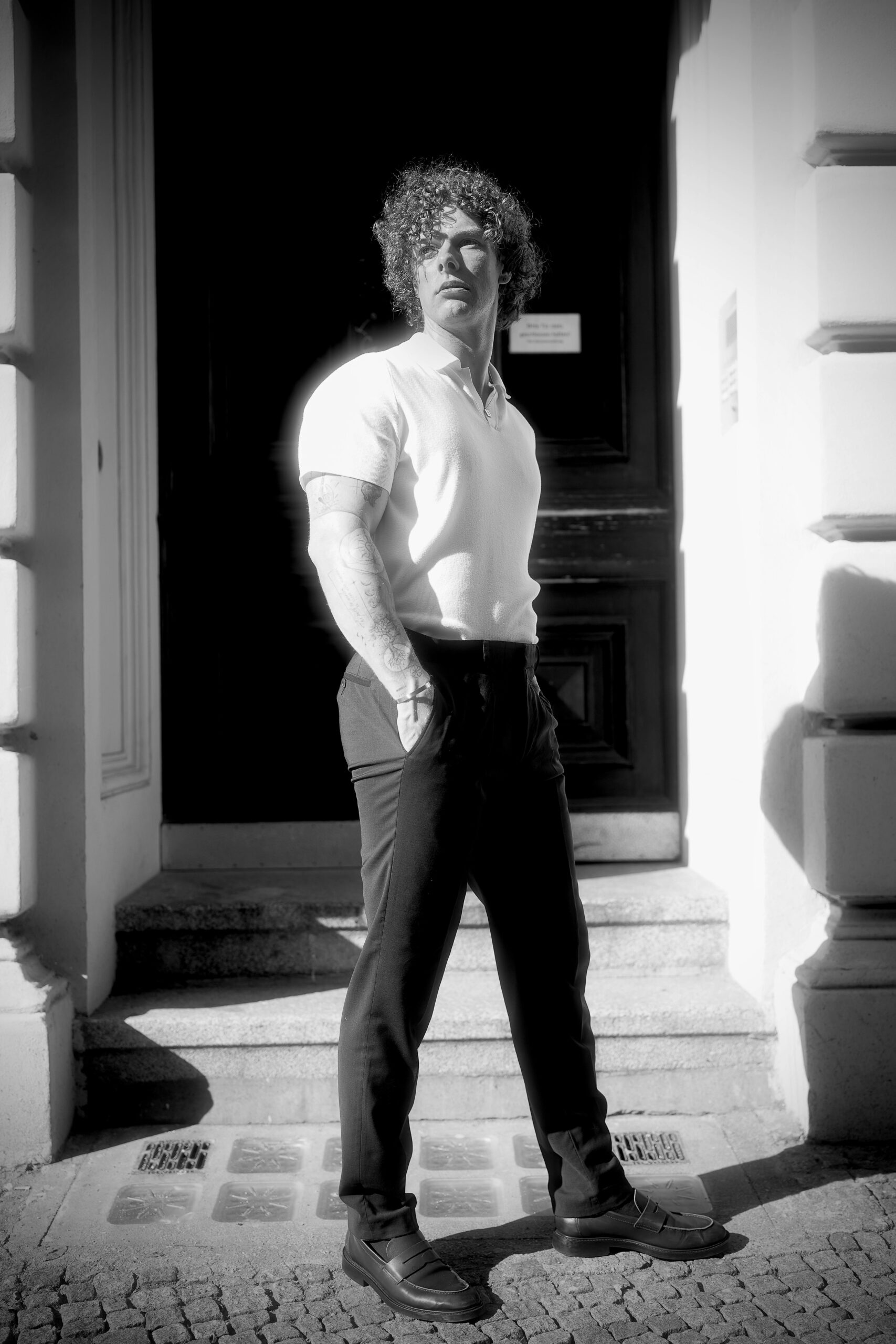
As a lifelong photographer, I believe the best stories are told through a lens. With over a decade of experience, I’ve had the privilege of capturing everything from stunning landscapes to vibrant city life. This blog is my way of sharing that passion—offering practical tips, gear reviews, and insights to help you grow as a visual storyteller.